A breakout that turned to tragedy.
VERRIERES RIDGE
A video on this on Youtube : Worthington force
Caen had been taken on the 19th July. Immediately afterwards the Canadians started an attack on Verrieres ridge. The assaults continued up to the 27th July, with the ridge still in German hands. The Canadians had suffered 2800 casualties.
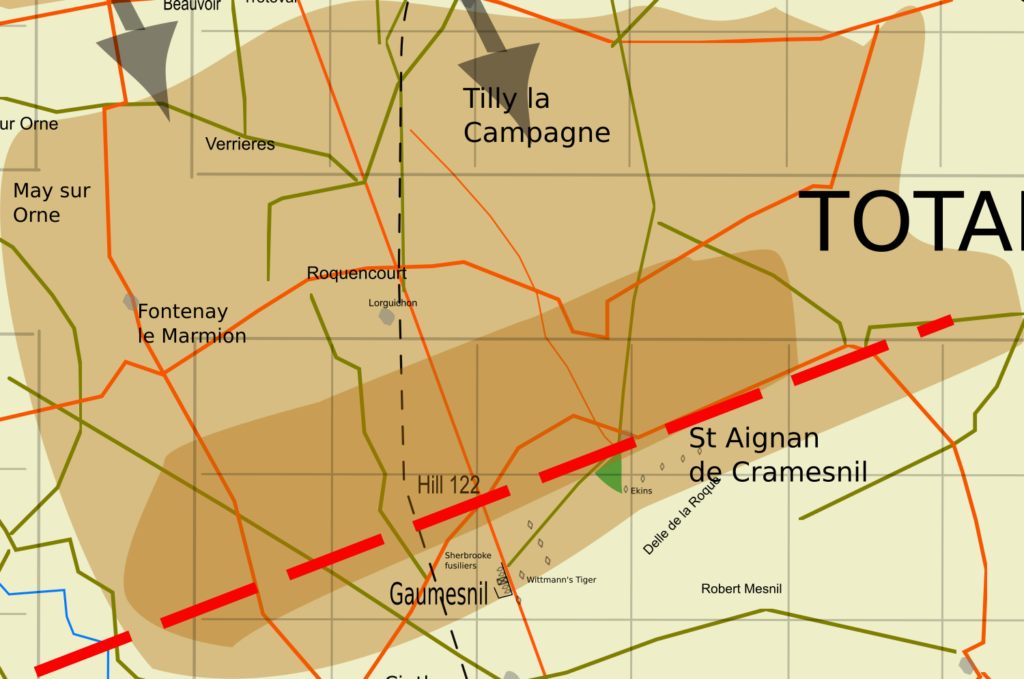
Operation Totalise was launched at 11pm on the 7th August. It’s objective was to sweep down to take the high ground North of Falaise as a launch pad for Tractable, which would take Falaise. It was a British and Canadian operation.
The attack advanced well but slowed after taking St Aignan de Cramesnil and Hautmesnil. General Simmons decided to relaunch the attack with more energy on the 9th. This became Totalise phase II.
For Totalise II, Brigadier Booth changed some objectives for certain units. The Halpenny force had not advanced well on the 8th so their next objective was changed from Hill 195 to Bretteville le Rabet.
A fresh unit led by Lt Col Worthington, of the British Columbia Regiment, was given the mission of taking hill 195. Taking this hill would open the path to Falaise, the town which gave it’s name to the Pocket which was about to form, where 100,000 german troops would risk being trapped.
CINTHEAUX
The Worthington Force started out from Lorguichon in the dark at 2:30 AM on the 9th. It was made up of British Columbia men and Algonquins. By 04:00 they reached Cintheaux. The lead squadron dealt with fire coming from a tree line to the East and MG fire coming from Cauvicourt church yard.
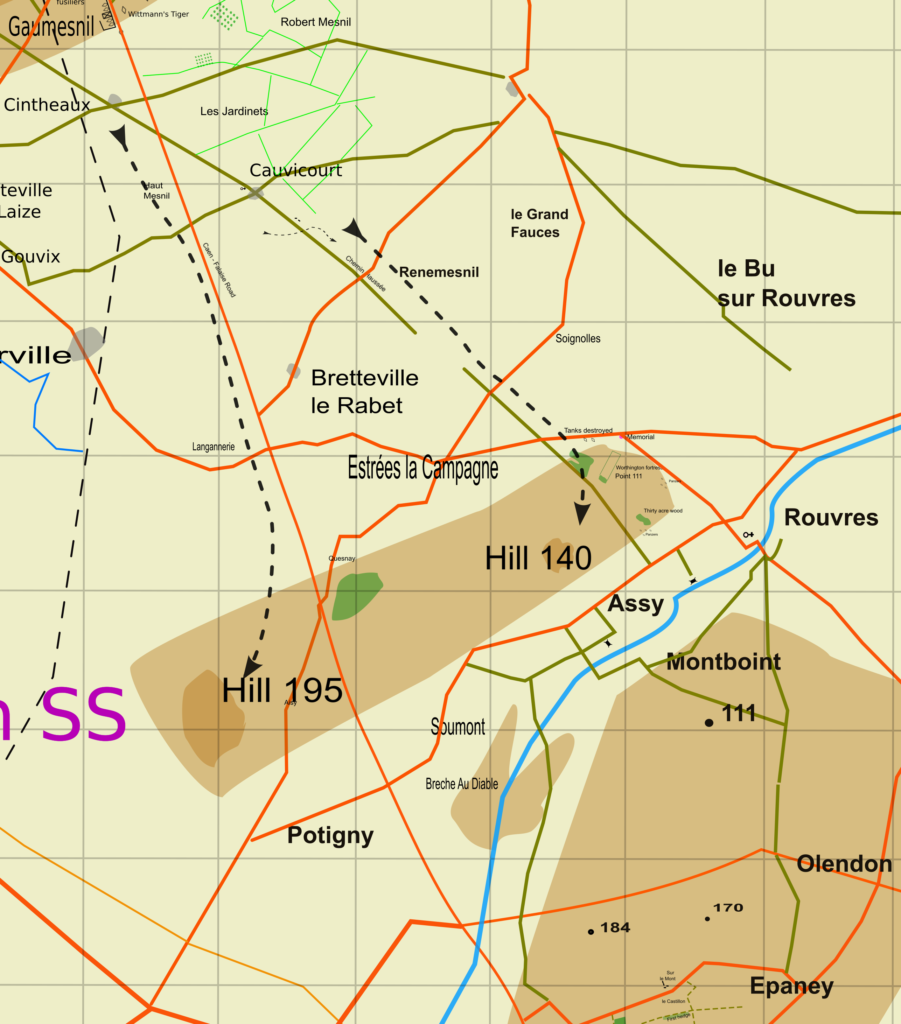
The Halfpenny force was supposed to have cleared Bretteville le Rabet but they had left late and were just engaging.
The ground was scarred by the previous days bombing by the US airforce but that didn’t seem to have dampened the German resistance. That bombing had caused friendly fire casualties.
FALAISE ROAD
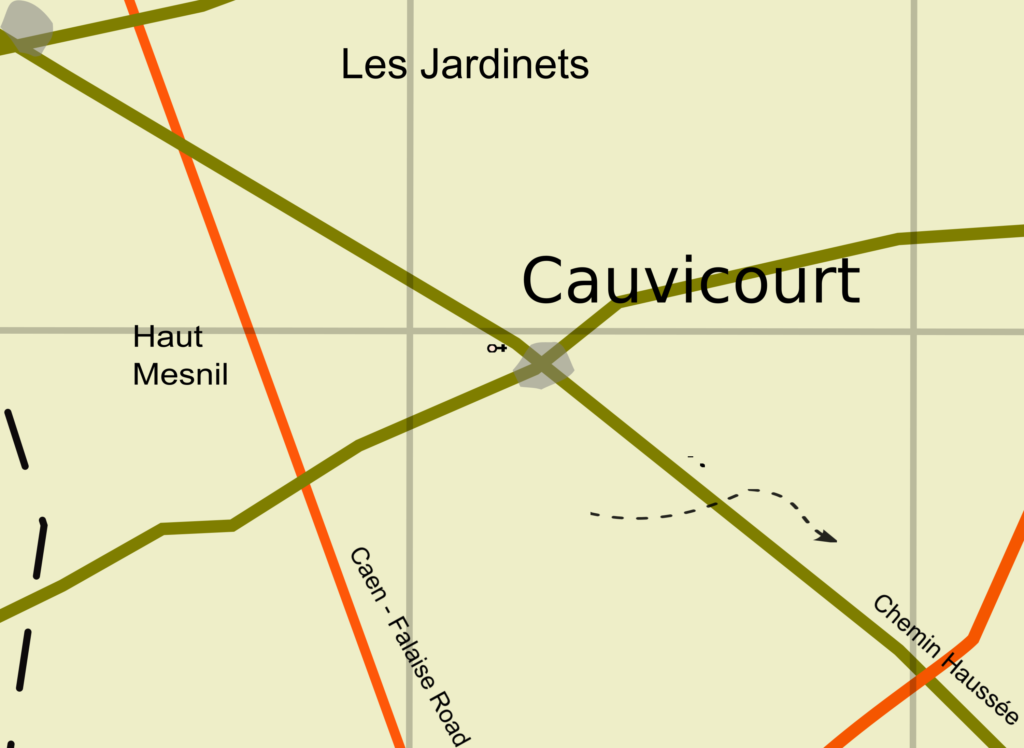
The Worthington force was supposed to go straight down the main road towards Falaise then fork right to Hill 195. This fire coming from Bretteville le Rabet was a threat to their advance. Worthington had the option of waiting till the Halfpenny force had cleared the guns, or moving anyway. He decided to go to the South East to avoid Bretteville and the Halfpenny force. The tanks and armoured vehicles passed between Cauvicourt and Bretteville le Rabet. Coming under fire from Bretteville , they veered Eastwards.
The moon was in its first quarter so didn’t give much light and there was a morning mist and the dust thrown up by the tanks.
CHEMIN HAUSSE
They crossed this road without realising it, then veered to the right and discovered a straight road on their right. Being on a night attack that they’d never trained for, having changed objective at the last minute, and peering though the vision slit in the dark mist, they took this road to be the Caen – Falaise road. After all , straight roads are quite rare in Normandy. This was actually a Roman road that had been used in William the Conqueror’s flight from assassins in 1046. We were on it in the video on operation Epsom at Hill 112.
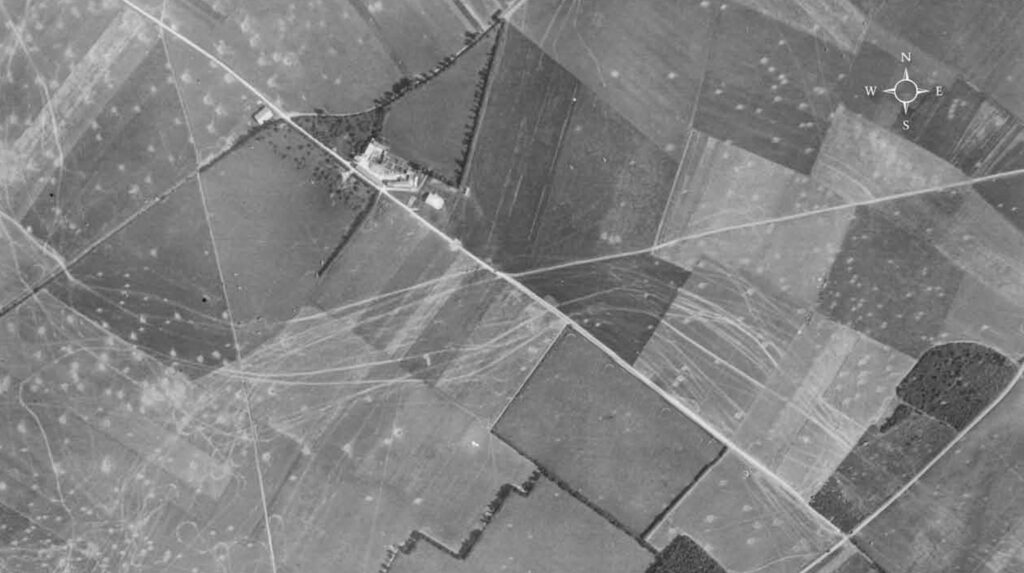
This is where the seeds of disaster were sown.
The aerial photo shows the path they took. After crossing the Chemin Hausse, they followed it, believing it was the Caen Falaise road.
As they advanced they fired at haystacks, some of which blew up. In a small wood South of Cauvicourt they spotted some German vehicles which were shot up. They soon spotted high land to the front right which tallied with what they were looking for.
POINT 111
Worthington set up a fortress position and reported to HQ 4th CAB that they were at hill 195. It was 06:45. He also reported that there were no enemy present but recent signs of occupation such as trenches and tools. They would stay put till their friends came forward to consolidate.
They didn’t realise that they were actually 4 miles NE of Hill 195, at Point 111 on the North slope of HILL 140. And worse, in spite of RAF planes spotting them and Polish tanks seeing where they were, HQ never realised this mistake.
The launching of operation Totalise had smashed through the German defence line held by the 89th Infantry division and the greatly diminished 12th SS. Kurt Meyer was trying to reorganise a new defence line.
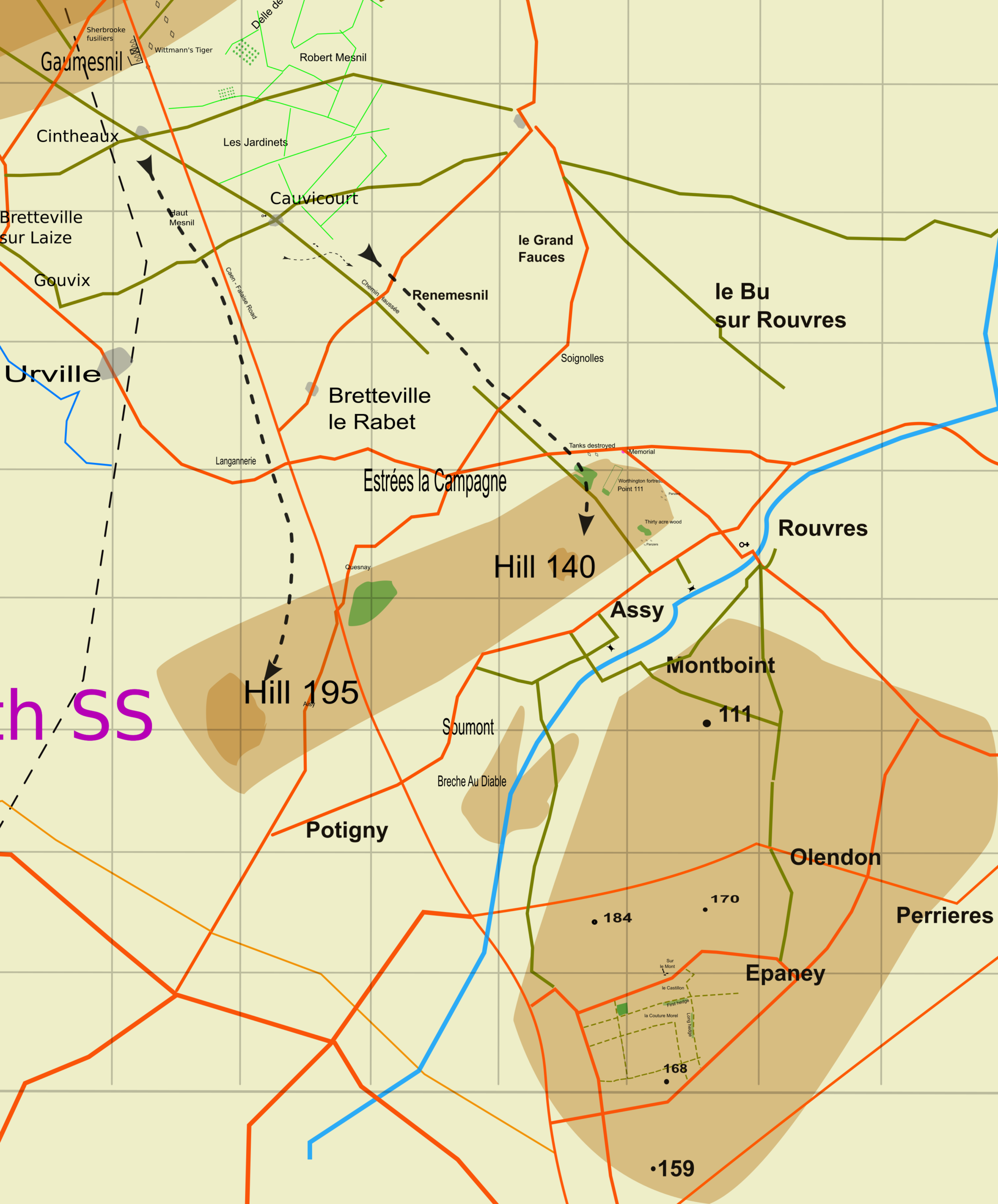
Hill 195 was held by 3rd Batt 26th Pz Gren Reg.
Tigers of the 501st SS battalion were in Quesnay wood.
From the Falaise road to point 140 was held by Kamfgruppe Waldmuller.
North of Rouvre was Kampfgruppe Krausse.
Not all units of the force arrived at point 111. A squadron of the BCR and D Co of the Algonquins were last in order of march. They came up to Estrées la Campagne and came under fire from the enemy. It was now daylight and they were up against an armoured force supported by anti rank guns. The odds were stacked against them. Major Stirling of D Co was coming up behind, but Maj Sidenus of A squadron ordered him to stay back till they had dealt with the germans.
The result was, that although 2 Tigers and an anti tank gun were knocked out, 17 Shermans were destroyed and the group annihilated. When Maj Stirling saw how the action was going , their tanks were unable to advance due to such heavy mortar and artillery fire.
He had no contact with the rest of the regiment so joined the Halfpenny force in Bretteville.
Obersturmfuhrer Meitzel was sent from Quesnay wood to Point 140 to locate Kamfgruppe Waldmuller. His armoured car was fired on by the BCR’s tanks. His armoured car wasn’t hit and he managed to speed back to Quesnay woods. He reported to Max Wunsche who started to organise a counter attack to insure that the Canadians didn’t establish a firm hold.
Worthington was calmly organising his defences. Tanks were spread around the perimeter of the field interspersed with half tracks which had carried the infantry. There was a wood just to the south of the field. Mortars were placed in the SW corner. The men in the field were calm but had difficulty digging trenches in the shallow top soil on this hill.
Meitzel headed back to the area to get more information on the Canadians. This time his armoured car was hit and he was thrown from the turret. The Canadians took him prisoner.
In Kurt Meyers hastily developed plan, Kampfgruppe Wunsche was to set up a defence position on hill 140.
There was harassing fire coming from 30 acres wood just south of their position, and some fire coming from the North. Tanks fired back but couldn’t see any targets. Worthington sent a troop of tanks to deal with that but they were all knocked out by unseen guns.
30 ACRE WOOD
At 0900 hours 2 troops from B squadron were sent to the 30 acre wood to deal with the fire coming from there. N°4 Troop had just two tanks. They were followed by N°3 Troop to give covering fire.
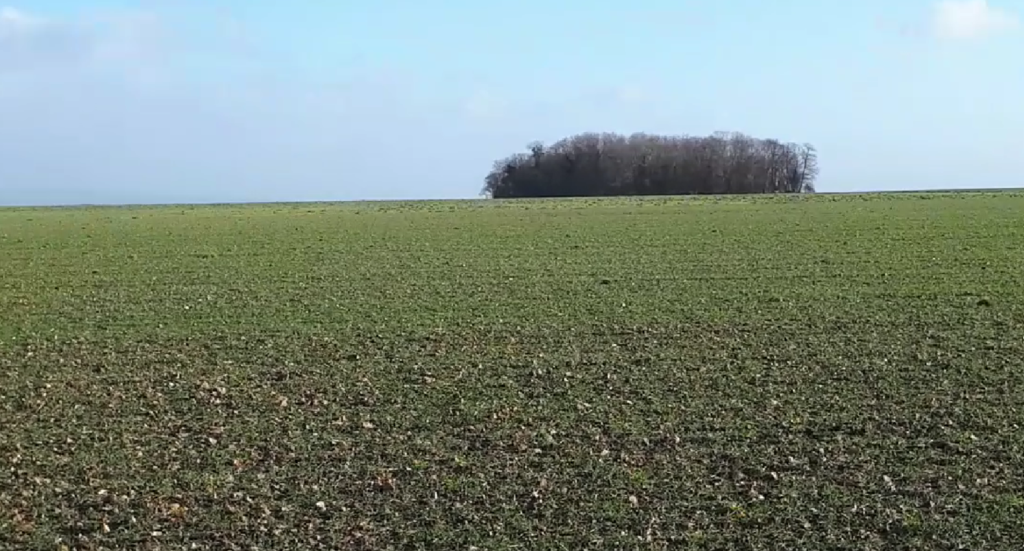
Even though they came under fire from the wood Lt Stock’s tank arrived at the wood. He saw a network of bunkers and trenches. He was firing HE shells into the position when a Tiger fired at his tank. The first shell missed and hit a tree. The second shot hit the front right of the Sherman, killing the driver and igniting the fuel and shells. The explosion threw the rest of the crew out of the tank.
The other tank of N°4 troop was destroyed and two tanks of N°3 troop as they moved up. Major Carson of N°3 led some of the survivors into the wood and destroyed a section of infantry.
FORTRESS
Worthington observed all this from the main position, and told Lt Jenkinson to take a half track to pick up survivors. The half track passed Lt Stock leading his men back to base. The half track picked up some badly wounded men at the wood and turned back to base. The other men, even Sgt Wallbrook with a missing foot, crawled back.
BRECHE DU DIABLE
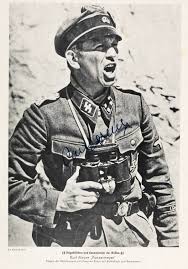
Kurt Meyer had witnessed the first attacks on the Canadians from the top of La Breche au Diable on Mont Joly. He then went to Quesnay woods to supervise the following attacks.
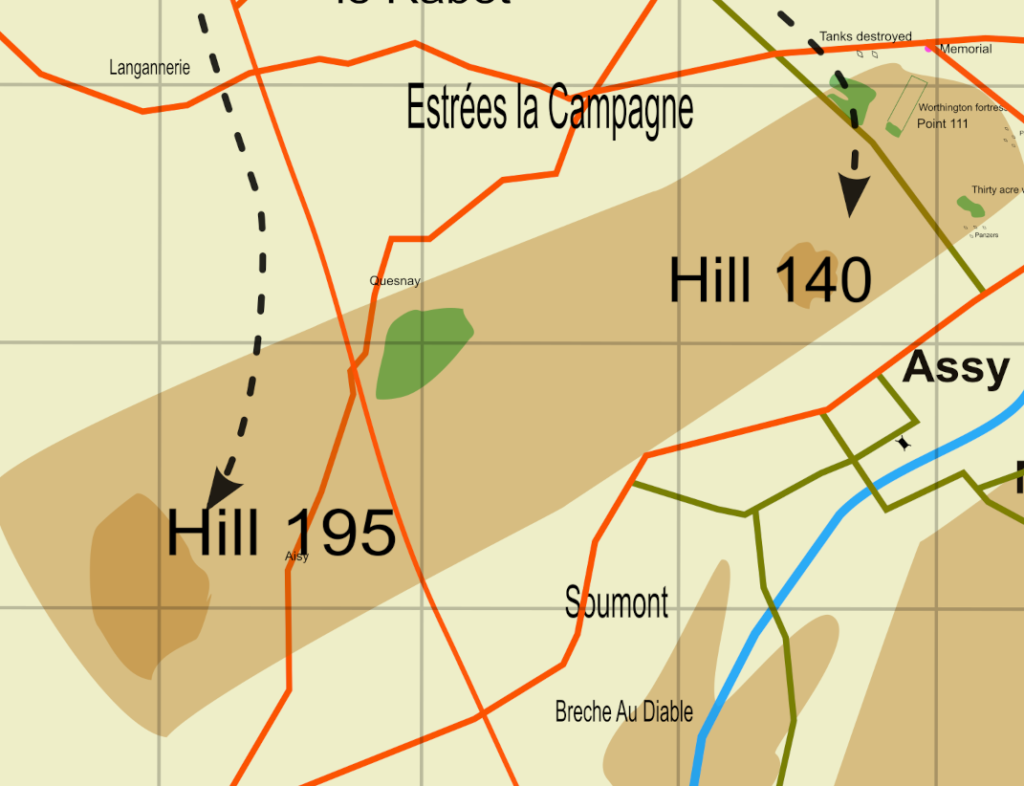
The first major counter attack came at 10am. It was somewhat of a relief to the Canadians, as the mortar fire stopped and they had targets to fire at. 4 tanks and 200 infantry were involved. This attack was repulsed with heavy casualties to the Germans.
During the day numerous attempts were made to break in to their position, each one repulsed with heavy German casualties.
After the first attack, Worthington held an orders group by his command tank in the centre of the field. An armour piercing shell hit the tank, killing CSM Primeau and severing the leg of Lt Col Hay.
Just before 8 am HQ 4th CAB asked by radio for their position. Worthington replied that they were at Point 195. An hour later the request was repeated and Worthington gave the same reply. HQ had repeated the request as there was no sign of the Worthington force from units near Hill 195.
By midday half of the 55 tanks that had arrived at point 111 had been destroyed. Worthington ordered the remaining half tracks to load up with wounded and make a dash for it. Even though they were marked with red crosses they were fired at. 2 or three of the 6 carriers got back to base.
The last recorded message between HQ and Worthington was at 9 am. Brigadier Booth was deeply disturbed by the silence. The Governor generals foot guard was ordered to go and find them at Point 195 but they didn’t set out til the afternoon after having cleared Bretteville le Rabet. Maj General Kitching thought they had overshot the Hill and were near Potigny. Nobody thought to look else where.
Brigadier J N Lane, the Royal Artillery commander set off in his Auster spotter plane to to search. He couldn’t cross the front line but flew down the main road till he could see Falaise. Hill 195 was to his right. If he looked to left , the smoke from Worthington force tanks would have been clearly visible. If he did see them he probably thought they were the Poles.
FORTRESS
There were several contacts with allied units during the day, which could have transmitted the whereabouts of Worthington to HQ.
Lt Stock had been taken out by the Half Tracks. He reported to Lt Brooks at Brettevile le Rabat that Worthington was at Square 0947. That’s where Worthington believed they were but the reference was just North of Hill 195, 4 miles from their actual position.
Worthington was still in contact with his RSM Jay. He sent a message to bring forward the reserve of ammunition. His attempt was met with fierce fire from the germans that destroyed a crusader anti aircraft tank. Jay contacted elements of the Polish Armoured division. But their attempt to deal with the german resistance led to the loss of several tanks.
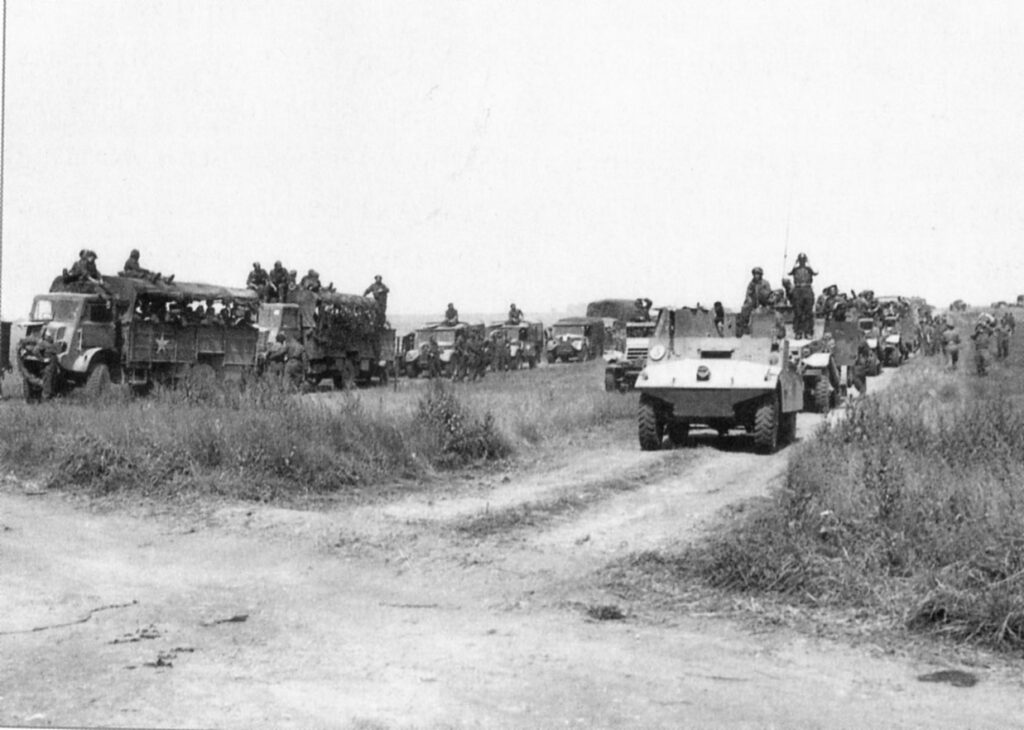
They received support from 2 RAF typhoons. They first attacked this easy target, but the Canadians laid out white squares and a line as recognition which the Typhoons acknowledged. The Typhoons returned several times during the day to fire on the German troops and tanks. If they reported friendly troops beyond the bomb line, this was never forwarded to HQ.
They also had support from the 1st Polish Armoured division. They had landed on Juno beach in July and were fighting along side the Canadians.
Like the RAF they fired on these tanks but on seeing the recognition smoke, they stopped firing and surged forward to assist. When they were a mile away the Germans recognised the threat posed by these Poles and concentrated on them. This gave a welcomed respite to the Canadians.
The Poles managed to break up a formation of German tanks getting ready to attack the Canadians but suffered serious losses and forced to withdraw.
Around midday Captain Baker, a Forward Observation Officer for the 19th Field regiment, sent a radio message for smoke shells to be sent onto Worthington’s position. They fell a mile short, but this shows that someone outside Worthington’s position knew where they were, but the information was never sent up to HQ.
By 1500 or 1530 Worthington decided to get the tanks to break out. There were only 8 out of the initial 55 still mobile. The infantry were well entrenched.
All but one of the tanks managed to join up with the Polish forces.
In the late afternoon Worthington realised the end was near for the force but he still held out hope of being relieved. His luck ran out at 17:30 when a mortar fell near him and killed him instantly.
Maj Mcpherson took command. He agreed with maj Monk that the men should try to get out as darkness fell, but the Germans were already getting ready fo a final attack. In a roar of machine guns and tank engines, the germans swarmed into the field. Many Canadians were taken prisoner but some managed to escape in the confusion.
The Worthington force suffered 85 killed out of 240 casualties and lost 47 tanks. On several occasions this breakthrough of the german lines could have been exploited but the communications never connected properly. The Typhoons saw allied troops on Hill 140, the escaping half tracks could have explained where they had been, the Poles realised Worthington was at Hill 140, but the information never went up to HQ.
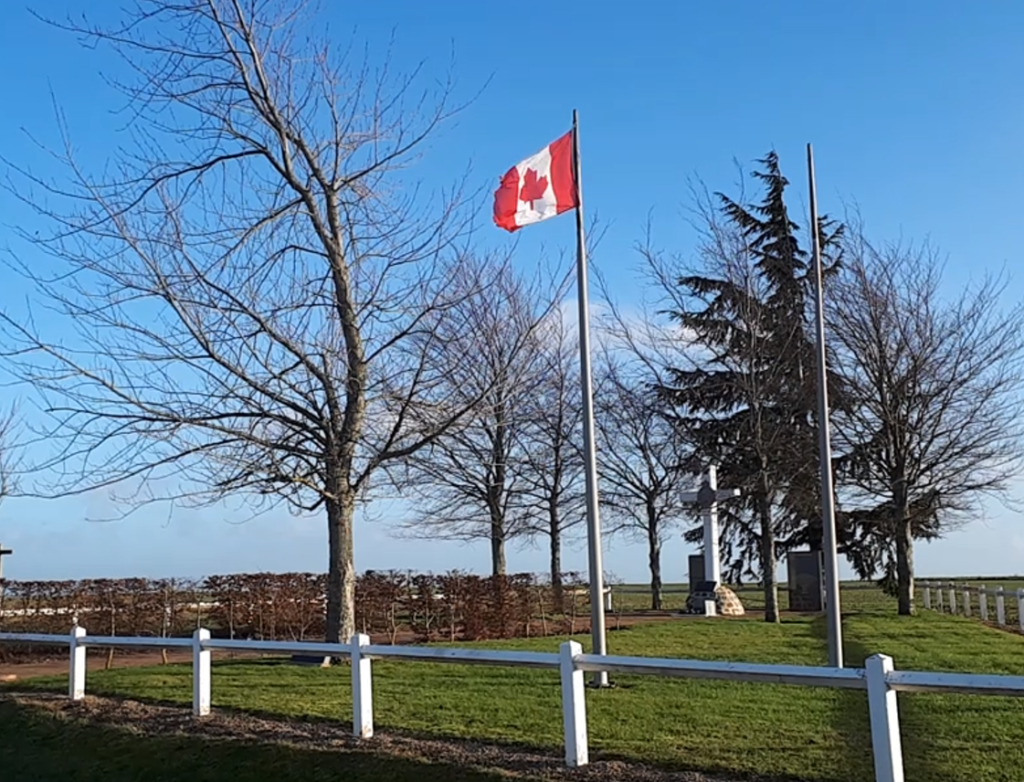
HILL 195
Hill 195 was taken in the early hours of 11th August by the Argyll and Sutherland highlanders. They walked up in single file avoiding the german defences on the West, and dug in. The taking was easy with no casualties, but then they had to hold against a fierce counter attack.
The seven miles to Falaise would take another week.